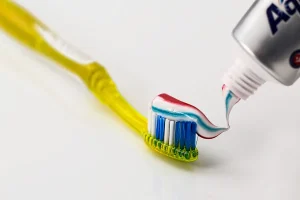

Cavities are very common in dentistry. While modern dentistry makes treating cavities easier than ever, prevention is always the best approach. Small, consistent habits can go a long way toward naturally protecting your smile. Dental care doesn’t have to be complicated, but it must be consistent.
At Eubanks Family Dental, we firmly believe that good oral health starts at home. To support your daily oral care, visit a dentist regularly. Although dental visits are very important, that alone does not guarantee perfect oral health. Here are some simple, natural ways to reduce your risk of cavities at home. Let’s keep your teeth strong for years to come!
Brush Twice a Day
Brushing your teeth is one of the most effective ways to fight cavities. It removes plaque, a sticky film of bacteria that feeds on sugar in your mouth and produces acids that wear away tooth enamel. Buildup of plaque is the direct cause of cavities forming.
Tips for brushing:
- Brush for at least two minutes, twice a day.
- Always use a soft-bristle toothbrush.
- Choose a fluoride toothpaste to help strengthen enamel
- Replace your toothbrush every three months.
Remember to gently brush along the gumline and all surfaces of your teeth. Cavities often form on the back molars due to inadequate brushing. Carefully focus on each area of your mouth to ensure effective brushing.
Always Floss
This is a step that many people ignore or forget about. Flossing is important! Even the best toothbrushes can’t reach every spot of your mouth. Flossing removes food particles and plaque from places your toothbrush can’t reach, which helps prevent cavities from forming between teeth. Flossing regularly also reduces the risk of gum disease.
Aim to floss at least once a day, twice a day being optimal. If traditional flossing is too difficult or time-consuming, consider using picks or a water flosser.
Limit Sugary Foods and Drinks
One of the biggest contributors to tooth decay is beloved sugar. When the bacteria in your mouth consume sugar, they produce acids that attack your tooth enamel.
While completely omitting sugar from your diet is unnecessary, here are some tips to reduce your risk of sugar-caused tooth decay:
- Drink water instead of sugary beverages.
- Limit sticky candies that get stuck on your teeth.
- Choose healthier snacks such as cheese, yogurt, nuts, or fresh vegetables.
- Rinse your mouth with water after enjoying sweet treats.
It is also a good idea to avoid sipping sugary drinks throughout the day, as this keeps your teeth exposed to cavity-causing acids for longer periods.
Drink More Water
Water does a lot more than just keep you hydrated. It helps rinse away food debris and bacteria while encouraging saliva production.
Saliva is one of your body’s natural defenses against cavities because it helps neutralize harmful acids and supplies minerals that can strengthen tooth enamel.
Water has many health benefits. Make sure you’re staying hydrated; you won’t regret it!
Eat Vitamin-Rich Foods
Your diet plays a large part in your oral health. Eating foods rich in calcium, phosphorus, and other vitamins helps strengthen and maintain healthy bones and skin. This helps keep your teeth strong and your gums healthy.
Some tooth-friendly foods to include:
- Dairy products like milk, cheese, and yogurt
- Leafy green vegetables
- Eggs
- Nuts
- Salmon
- Apples
- Carrots
- Celery
These are only a few examples. Crunchy fruits and vegetables can also help stimulate saliva production and gently clean your teeth’s surfaces.
Chew Sugar-Free Gum
Chewing sugar-free gum after meals can help increase saliva production, which naturally washes away food particles and neutralizes acids. Look for gum sweetened with xylitol. This has been shown to be a cavity-reducing sweetener that inhibits the growth of cavity-causing bacteria and reduces plaque.
While chewing gum isn’t as impactful as brushing or flossing, it is a useful addition to your daily routine. These seemingly small habits work together to help you have a strong, healthy smile.
Avoid Frequent Snacking
When you eat, you are filling your mouth with bacteria that produce acids that attack your enamel. Constant snacking gives your teeth less time to recover between meals. Try to stick to a regular meal schedule for breakfast, lunch, and dinner. When you get hungry in-between meals, choose healthy snacks to fill you up.
Don’t Smoke or Use Tobacco Products
The use of tobacco and smoking comes with many health concerns. Orally, you will increase the risk of gum disease, dry mouth, reduced saliva production, making it easier for harmful tobacco to go.
Quitting tobacco is one of the best things you can do for both your oral health and your overall well-being.
Visit Your Dentist Every Six Months
Even with excellent brushing and flossing habits, professional dental care is essential to your oral health. Scheduling routine dental exams and cleanings allows your dentist to remove hardened plaque, monitor your oral health, and identify small problems before they become larger, more expensive issues.
Cavities typically begin without any noticeable symptoms. This is why a regular checkup can help catch them early, often before you feel any pain or discomfort. Our team works hard to catch issues in a timely manner and provide service that best fits your individual oral needs.
Consider Preventive Treatments
Depending on your oral health needs, your dentist may recommend additional preventive treatments. This could include fluoride treatments, sealants, exams, or screenings.
These treatments provide extra protection for your teeth. For those at high risk of tooth decay, professional preventive treatments can be very useful! Your oral health greatly impacts more than just your teeth. It impacts your heart, digestion, immunity, and overall well-being. It is important to consider the connection between oral health and overall health.
A Healthy Smile Starts with Healthy Habits
Preventing cavities naturally doesn’t require drastic changes in your habits and everyday activities. Brushing, flossing, eating a balanced diet, drinking plenty of water, and visiting your dentist regularly are simple habits that have a huge impact on your oral health.
You should visit your dentist at least once every six months. If it has been longer since your last dental visit, now is the perfect time to schedule. At Eubanks Family Dental, we are committed to helping patients of all ages maintain healthy, beautiful smiles through preventative care and personalized treatments.
Contact us today, and we will ensure your smile stays healthy. Our dentists will thoroughly examine your teeth and develop a specialized treatment plan tailored to your individual needs. No two smiles are the same, and we know how important personalized care is. Your next dental exam is the next step towards a cavity-free smile!